Website Design Trends That Improve SEO and Conversions
In today’s fast-moving digital world, patience is almost zero. I’ve personally experienced this while working on my own projects—when a website takes more than a few seconds to load, I instantly feel like closing it. And honestly, most users behave the same way. This is where website speed becomes directly connected to customer conversion.
1. First Impression Matters
When a user lands on your website, the first few seconds decide everything. If your site loads quickly, it creates a smooth and professional impression. But if it lags, users start doubting your credibility. From my experience while building frontend projects, even a 2–3 second delay feels frustrating.
2. Speed = Better User Experience
A fast website makes navigation easy and enjoyable. Users can explore products, services, or content without interruptions. This increases the chances that they will stay longer and take action—like signing up or making a purchase. A slow site, on the other hand, breaks the flow.
3. Impact on Conversion Rates
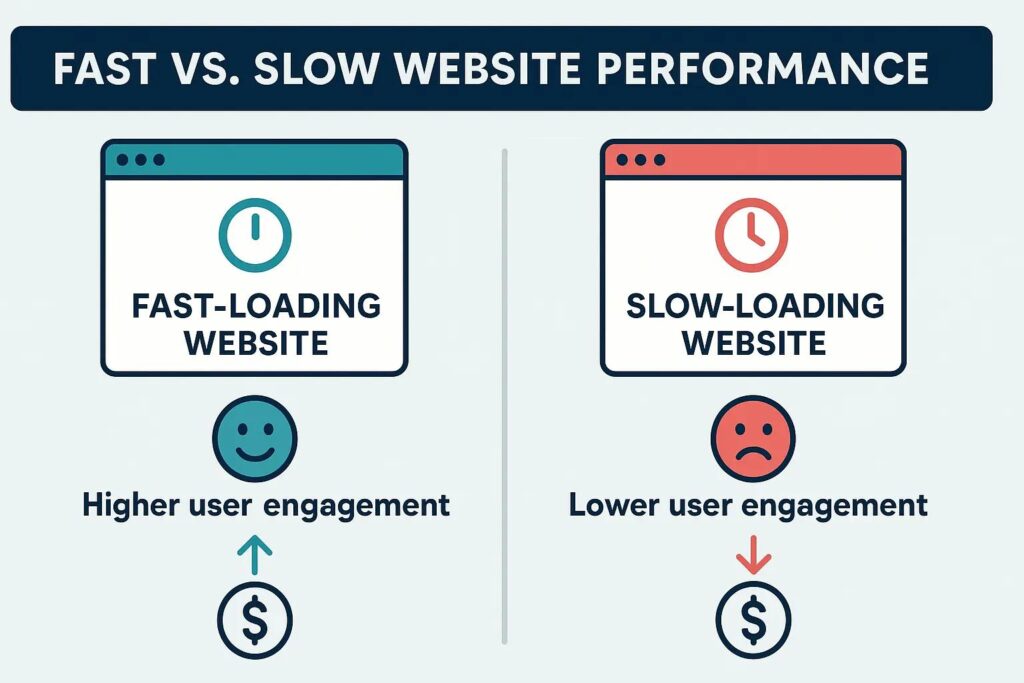
Studies and real-world experience both show that faster websites convert better. If your website loads quickly:
- Users are more likely to trust your brand
- Bounce rate decreases
- Engagement increases
- Sales and leads improve
Even a 1-second delay can reduce conversions significantly. That’s huge when you think about business growth.
4. Mobile Users Are More Sensitive
Most users today browse on mobile devices. I’ve noticed during my own testing that mobile users are even less patient than desktop users. If your mobile site isn’t optimized for speed, you’re losing a big audience.
5. SEO and Visibility
Google considers website speed as a ranking factor. Faster websites rank higher, which means more traffic and better chances of conversion. So speed doesn’t just help users—it also helps your website get discovered.
6. My Personal Learning
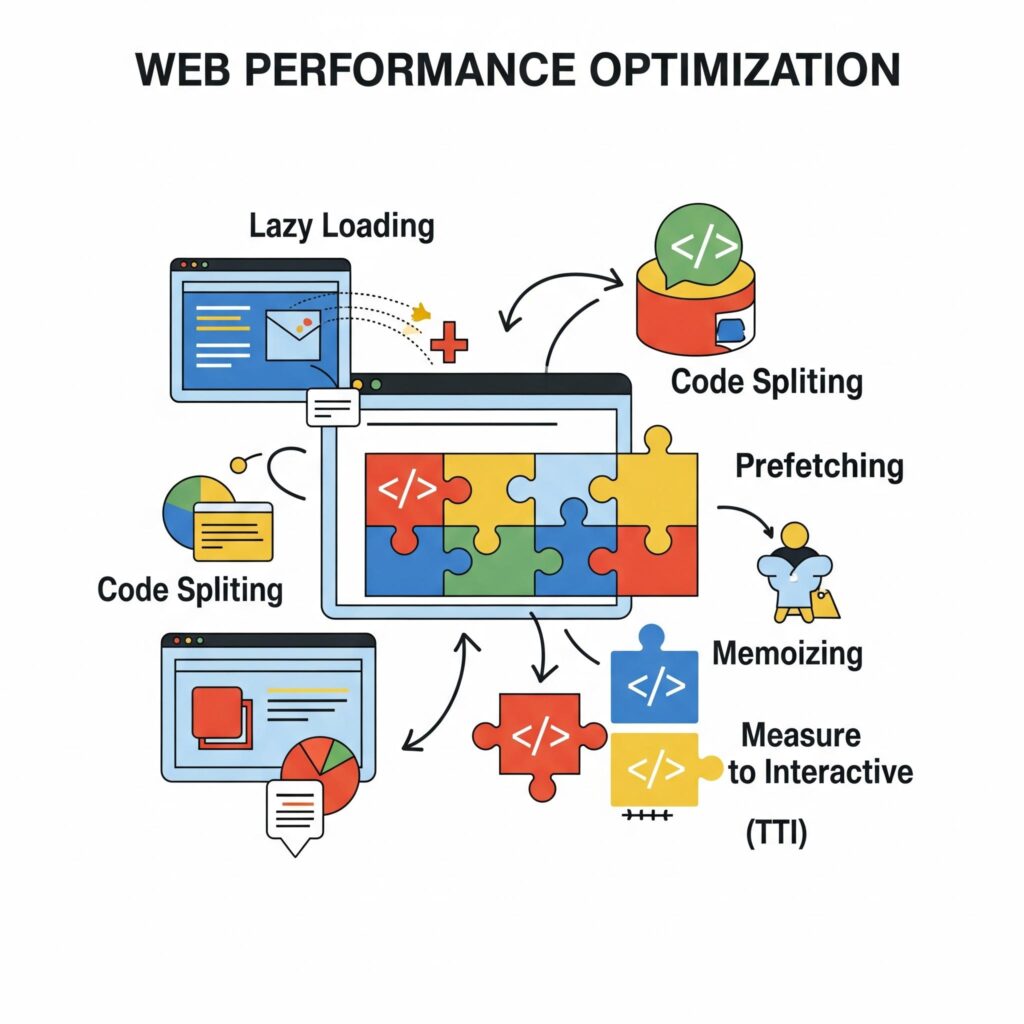
While working on projects like portfolios and web apps, I realized that optimizing images, reducing unnecessary code, and using proper hosting platforms like Netlify or Vercel made a big difference. Once I improved speed, user interaction improved automatically.
7. How to Improve Website Speed
Here are some simple but powerful steps:
- Optimize images and compress files
- Use fast hosting services
- Minimize CSS, JavaScript, and unnecessary plugins
- Enable caching
- Use CDN (Content Delivery Network)
Conclusion
Website speed is not just a technical factor—it’s a business factor. A faster website builds trust, improves user experience, and directly increases conversions. If you want to grow online, focusing on speed is a must.
That’s why choosing the Best Website Services company in Pune India. becomes important—they can help you build a high-performance, conversion-focused website that truly delivers results.